 gamzer.team · October 31, 2026
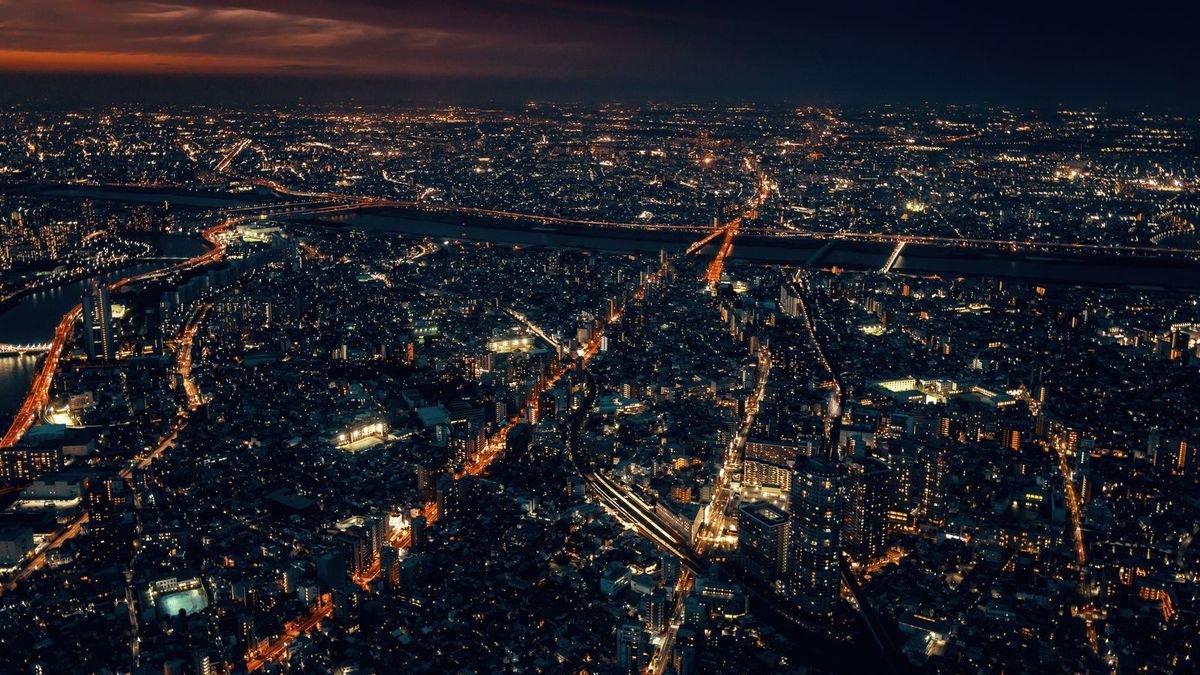
Godzilla first appeared on screen in 1954, and films about him have been coming out for more than 70 years since then. According to Wikipedia, 2026’s Minus Zero is the 39th Godzilla film: 34 of them were made by the Japanese studio Toho, and five are American, one from TriStar and four from Legendary as part of the MonsterVerse. A sixth American film, Godzilla x Kong: Supernova, is scheduled for 2027. Below are all the Godzilla films in order, grouped by era, with each film’s number in the franchise, plus three routes for anyone who doesn’t know where to start. No spoilers: only the setups. Dates and numbers were checked against Wikipedia on October 27, 2026.
All eras at a glance
| Era | Years | Films | First film of the era |
|---|---|---|---|
| Shōwa (Toho) | 1954–1975 | 15 | Godzilla (1954) |
| Heisei (Toho) | 1984–1995 | 7 | The Return of Godzilla (1984) |
| Millennium (Toho) | 1999–2004 | 6 | Godzilla 2000: Millennium (1999) |
| Reiwa (Toho) | 2016–2026 | 6 | Shin Godzilla (2016) |
| TriStar (US) | 1998 | 1 | Godzilla (1998) |
| MonsterVerse (US) | 2014–2027 | 4 + Supernova in 2027 | Godzilla (2014) |
How to watch: by release or by universe
These films do not add up to one story. The Shōwa films share a common, if loose, timeline. The Heisei era starts as a continuation of the 1954 film and ignores the rest of the Shōwa films. In the Millennium era almost every film is a separate story, where once again only the first film serves as the starting point. In the Reiwa era, Shin Godzilla, the anime trilogy and the Minus films also tell separate stories. The 1998 American film stands apart, and the MonsterVerse is Legendary’s own universe, where Godzilla shares the screen with Kong.
So there are two ways to watch. By release, to see how Godzilla has changed over 72 years. By universe, picking one line and watching only that, which makes the plot easier to follow. The number in the lists below is the film’s position in the franchise according to Wikipedia. Gaps in the numbering of the Japanese eras are the American films, which are collected in a separate section.
Shōwa era (1954–1975)
The first era is named after the Shōwa period, the years of Emperor Hirohito’s reign. It runs from Godzilla (1954) to Terror of Mechagodzilla (1975). According to Wikipedia, the first film was an allegory of the aftermath of the atomic bomb, and over time Godzilla turned from a destroyer into an antihero and even a hero for children. The special effects of the first six films were directed by Eiji Tsuburaya.
- 1. Godzilla · 1954 · a giant monster spawned by nuclear tests attacks Japan
- 2. Godzilla Raids Again · 1955 · a second Godzilla and his fight with Anguirus
- 3. King Kong vs. Godzilla · 1962 · the first meeting of the two monsters, with a final battle on Mount Fuji
- 4. Mothra vs. Godzilla · 1964 · people ask the divine moth Mothra for help
- 5. Ghidorah, the Three-Headed Monster · 1964 · the debut of King Ghidorah, Godzilla’s main enemy
- 6. Invasion of Astro-Monster · 1965 · aliens “borrow” Godzilla and Rodan to defeat Ghidorah
- 7. Ebirah, Horror of the Deep · 1966 · Godzilla, Mothra and the sea monster Ebirah
- 8. Son of Godzilla · 1967 · Godzilla gets a son, Minilla
- 9. Destroy All Monsters · 1968 · the alien Kilaaks unleash monsters all over the world
- 10. All Monsters Attack · 1969 · a comedy for children featuring Minilla
- 11. Godzilla vs. Hedorah · 1971 · a monster born from pollution, and an environmental theme
- 12. Godzilla vs. Gigan · 1972 · the last film in which Godzilla was played by Haruo Nakajima
- 13. Godzilla vs. Megalon · 1973 · Megalon, Gigan and the robot Jet Jaguar
- 14. Godzilla vs. Mechagodzilla · 1974 · the first appearance of Godzilla’s robot double, Mechagodzilla
- 15. Terror of Mechagodzilla · 1975 · the end of the era and Ishirō Honda’s last film
Godzilla (1954)
 Official trailer · “Godzilla” (1954)
Godzilla is the film that started the franchise. The Japanese authorities face the sudden appearance of a giant monster spawned by nuclear tests. The effects were directed by Eiji Tsuburaya: an actor in a monster suit moves among miniature sets. The nationwide premiere in Japan took place on November 3, 1954, and that day is now celebrated in Japan as Godzilla Day.
King Kong vs. Godzilla (1962)
King Kong vs. Godzilla is the third film in the franchise and the first meeting of the two most famous movie monsters. An American submarine awakens Godzilla, a pharmaceutical company captures King Kong for an advertising campaign, and it all ends with a fight on Mount Fuji. This is where both characters first appeared in color and on a wide screen.
Mothra vs. Godzilla (1964)
In Mothra vs. Godzilla, people ask the divine moth Mothra for help to stop Godzilla, who is destroying Japan. According to Wikipedia, Toho brought the two monsters together after the success of Mothra (1961) and King Kong vs. Godzilla, and the film itself was aimed at both children and adults.
Ghidorah, the Three-Headed Monster (1964)
In Ghidorah, the Three-Headed Monster, an alien from Venus who has taken over the body of a princess warns humanity about the three-headed golden dragon King Ghidorah, and the last hope is Godzilla, Rodan and Mothra. This film marks the debut of King Ghidorah, Godzilla’s main enemy in the series, and Godzilla himself starts to become an antihero.
Destroy All Monsters (1968)
In Destroy All Monsters, a race of aliens called the Kilaaks unleashes giant monsters all over the world, and people have to find their weak spots and regain control. Wikipedia’s film table lists ten monsters alongside Godzilla here, among them King Ghidorah, Rodan, Mothra, Anguirus and Minilla.
Heisei era (1984–1995)
The second era is the 1984 reboot. The Return of Godzilla continues the 1954 film and ignores the rest of the Shōwa films, and all seven Heisei films form one continuous timeline. Here Godzilla is once again a destructive force of nature that people fear, and the plots involve more science and genetics. The era is named after the Heisei period, although its first film came out at the end of the Shōwa period.
- 16. The Return of Godzilla · 1984 · a reboot and direct sequel to the 1954 film
- 17. Godzilla vs. Biollante · 1989 · corporations fight over Godzilla’s cells, and he fights Biollante
- 18. Godzilla vs. King Ghidorah · 1991 · time travelers and the first concrete origin story for Godzilla
- 19. Godzilla vs. Mothra · 1992 · Mothra and Battra try to keep Godzilla from destroying Yokohama
- 20. Godzilla vs. Mechagodzilla II · 1993 · Baby Godzilla, Rodan and a new Mechagodzilla
- 21. Godzilla vs. SpaceGodzilla · 1994 · the debut of the monster SpaceGodzilla
- 22. Godzilla vs. Destoroyah · 1995 · the end of the era: Godzilla’s heart threatens a nuclear meltdown
The Return of Godzilla (1984)
After a nine-year break, Toho rebooted the series with The Return of Godzilla. It is a direct sequel to the 1954 original and ignores the events of the other Shōwa films. In Japan the film was released simply as Godzilla, and Godzilla in it, as in the whole Heisei era, is played by Kenpachiro Satsuma.
Godzilla vs. Destoroyah (1995)
 Official trailer · “Godzilla vs. Destoroyah” (1995)
Godzilla vs. Destoroyah is the seventh and last Heisei film. Godzilla’s heart, which works like a nuclear reactor, is heading toward a meltdown that threatens the whole Earth, while a colony of mutated creatures, Destoroyah, appears. At Godzilla Fest 2025 Toho announced that the film is being restored in 4K and will return to Japanese theaters in 2026.
Millennium era (1999–2004)
The third era began in 1999. Its name refers to the start of the third millennium, although formally these are still Heisei years. The Millennium films are almost an anthology: each tells a separate story, and only the 1954 film serves as the starting point. The exceptions are Godzilla Against Mechagodzilla (2002) and Godzilla: Tokyo S.O.S. (2003), which are connected to each other, and Final Wars, which ignores even the first film.
- 24. Godzilla 2000: Millennium · 1999 · Godzilla and a mysterious UFO over Japan
- 25. Godzilla vs. Megaguirus · 2000 · the opponent is Megaguirus; Masaaki Tezuka’s directorial debut
- 26. Godzilla, Mothra and King Ghidorah: Giant Monsters All-Out Attack · 2001 · Godzilla as the vengeful spirit of those killed in the Pacific War
- 27. Godzilla Against Mechagodzilla · 2002 · the mechanical Kiryu is built on the skeleton of the first Godzilla
- 28. Godzilla: Tokyo S.O.S. · 2003 · a direct sequel: Mothra and Kiryu defend Tokyo
- 29. Godzilla: Final Wars · 2004 · an anniversary film for the franchise’s 50th birthday
Godzilla 2000: Millennium (1999)
In Godzilla 2000: Millennium, a group of researchers is tracking Godzilla when an alien UFO appears over Japan and becomes a new threat. The film ignores all previous installments except the 1954 original. It premiered at the Tokyo International Film Festival on November 6, 1999.
Godzilla: Final Wars (2004)
 Official trailer · “Godzilla: Final Wars” (2004)
In Godzilla: Final Wars, the alien Xiliens arrive on Earth, and the Earth Defense Force battles monsters that are attacking cities around the world. The film came out for the franchise’s 50th anniversary, after which Toho took a ten-year break. Among the monsters there is even Zilla, a new version of the 1998 American Godzilla.
Reiwa era (2016–2026)
The fourth era is named after the Reiwa period, which began in 2019, but according to Wikipedia, Toho also counts Shin Godzilla (2016) and the anime trilogy as part of it. There are six films: a reboot by the creators of the anime Neon Genesis Evangelion, three animated films made together with Netflix, and Takashi Yamazaki’s two-film pair Minus One and Minus Zero.
- 31. Shin Godzilla · 2016 · politicians and officials against a monster that keeps evolving
- 32. Godzilla: Planet of the Monsters · 2017 · the first anime film: people return to Earth after 20,000 years
- 33. Godzilla: City on the Edge of Battle · 2018 · a sequel in which people get help from the weapon Mechagodzilla
- 34. Godzilla: The Planet Eater · 2018 · the end of the trilogy, in which humanity relies on Godzilla in the fight against King Ghidorah
- 37. Godzilla Minus One · 2023 · postwar Japan and a former kamikaze pilot
- 39. Godzilla Minus Zero · 2026 · the sequel: 1949 and a new threat to Japan
Shin Godzilla (2016)
 Official trailer · “Shin Godzilla” (2016)
Shin Godzilla is a reboot directed by Hideaki Anno and Shinji Higuchi, the creators of the anime Neon Genesis Evangelion. Japanese politicians wade through bureaucracy to respond to the sudden appearance of a monster that keeps evolving. According to GKIDS, the film held the record as the highest-grossing Japanese film in the franchise for seven years, until Minus One overtook it.
Godzilla: Planet of the Monsters (2017)
 Official trailer · “Godzilla: Planet of the Monsters” (2017)
Godzilla: Planet of the Monsters is the franchise’s first animated film and the start of a trilogy by the studios Toho Animation and Polygon Pictures, made together with Netflix. A group of refugees tries to resettle Earth 20,000 years after Godzilla took over the planet. Outside Japan the trilogy was released on Netflix, and the first film is on the service’s page for Ukraine with a 13+ rating.
Godzilla Minus One (2023)
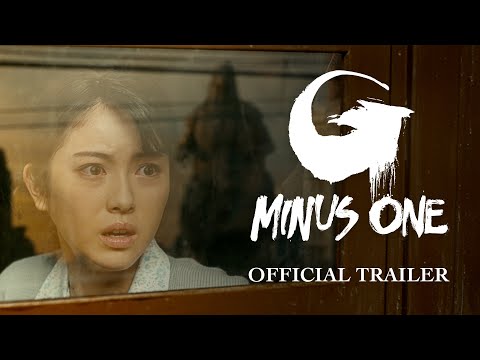 Official trailer · “Godzilla Minus One” (2023)
Godzilla Minus One is set in postwar Japan: former kamikaze pilot Koichi Shikishima lives with trauma after an encounter with Godzilla, and the monster is bearing down on the country again. The film grossed $116 million worldwide and became the most successful Japanese film in the franchise and the first Godzilla film to win an Oscar, for Best Visual Effects. On Netflix for Ukraine it is available under its Ukrainian title (Godzilla: Minus One).
Godzilla Minus Zero (2026)
Godzilla Minus Zero is a direct sequel to Minus One: 1949, the Shikishima family and a new threat to a Japan that has barely rebuilt. It is the 39th film in the franchise and the first Japanese film shot for IMAX. The release starts in Japan on November 3, 2026, and in the US and Canada on November 6, and everything about the date for Ukraine is collected in our guide when Godzilla Minus Zero comes out.
American films and the MonsterVerse (1998–2027)
In the US, Godzilla films were made twice. TriStar Pictures acquired the rights in 1992 and planned a trilogy, but only one film came out. Since 2014 the films have been made by Legendary Pictures together with Warner Bros.: they form the MonsterVerse, a shared universe where Godzilla meets Kong and other titans. The detailed watch order of the MonsterVerse itself, including the series, is in our guide MonsterVerse: watch order.
- 23. Godzilla · 1998 · TriStar: Godzilla heads to New York to breed
- 30. Godzilla · 2014 · the first MonsterVerse film
- — Kong: Skull Island · 2017 · Kong on an uncharted island in 1973; not a Godzilla film, but part of the universe
- 35. Godzilla: King of the Monsters · 2019 · eco-terrorists release King Ghidorah, and titans awaken around the world
- 36. Godzilla vs. Kong · 2021 · Godzilla clashes with Kong again and again
- — Monarch: Legacy of Monsters · 2023– · an Apple TV series about the Monarch organization, told across two timelines; the second season came out on February 27, 2026
- 38. Godzilla x Kong: The New Empire · 2024 · Godzilla and Kong together against the Skar King
- 40. Godzilla x Kong: Supernova · 2027 · directed by Grant Sputore; the US release is scheduled for March 26, 2027
The MonsterVerse also includes the animated series Skull Island (2023), released on Netflix.
Godzilla (1998)
 Official trailer · “Godzilla” (1998)
Godzilla by Roland Emmerich is the first Godzilla film produced entirely by an American studio. The authorities investigate the appearance of a giant monster that is heading to New York to breed there; the leads are Matthew Broderick and Jean Reno. Reviews were negative, the planned sequels were canceled, and an animated series came out instead.
Godzilla (2014)
 Official trailer · “Godzilla” (2014)
Godzilla by Gareth Edwards is the Legendary reboot that launched the MonsterVerse. An American soldier tries to get back to his family in the middle of an ancient conflict between Godzilla and two parasitic monsters called MUTOs; the cast includes Aaron Taylor-Johnson, Ken Watanabe and Bryan Cranston. According to Wikipedia, the film’s success pushed Toho to make its own reboot, Shin Godzilla.
Where to start: three routes
If you don’t feel like watching all the films in a row, pick one route. Each one gives you a complete line and doesn’t require knowing the rest of the franchise.
| Route | What to watch | Who it suits |
|---|---|---|
| Classics | “Godzilla” (1954), “King Kong vs. Godzilla”, “Mothra vs. Godzilla”, “Ghidorah, the Three-Headed Monster”, “Destroy All Monsters” | Those who want to see how it all began |
| MonsterVerse | “Godzilla” (2014), “Kong: Skull Island”, “Godzilla: King of the Monsters”, “Godzilla vs. Kong”, “Godzilla x Kong: The New Empire”; the series “Monarch” is optional | Those who love Hollywood blockbusters and shared universes |
| Modern Japanese | “Shin Godzilla”, “Godzilla Minus One”, “Godzilla Minus Zero”; the anime trilogy is optional | Those who want recent Japanese films and have a few evenings to spare |
Tip. The 1998 American film and the anime trilogy do not continue any other films, so you can watch them at any time. Minus One, however, is worth watching before Minus Zero: the second film directly continues the story of the first.
Frequently asked questions
How many Godzilla films are there in total?
According to Wikipedia, Godzilla Minus Zero (2026) is the 39th film in the franchise: 34 Japanese Toho films and five American ones. Godzilla x Kong: Supernova (2027) will be the 40th.
Which film should I start with?
With Godzilla (1954) if you are interested in the classics; with Godzilla (2014) if the MonsterVerse is closer to your taste; with Shin Godzilla or Godzilla Minus One if you want modern Japanese cinema.
Do I need to watch all the films in order?
No. The Japanese eras are separate lines, and many films, especially from the Millennium era, tell standalone stories. The order matters within the MonsterVerse and in the Minus One – Minus Zero pair.
Is the MonsterVerse connected to the Japanese films?
No. It is a separate American universe from Legendary and Warner Bros., although it features Toho monsters such as Mothra, Rodan and King Ghidorah.
Which of these films are on Netflix in Ukraine?
On Netflix’s pages for Ukraine we found Godzilla Minus One (under its Ukrainian title) and the first film of the anime trilogy, “GODZILLA Planet of the Monsters”. The catalog changes, so check availability in your own profile.
Sources
- Godzilla (franchise) (Wikipedia)
- Monsterverse (Wikipedia)
- Godzilla Minus Zero (Wikipedia)
- GKIDS: TOHO and GKIDS Reveal New Poster and Teaser for Godzilla Minus Zero
- Netflix Ukraine: Godzilla Minus One
Data was checked against live Wikipedia pages, the official pages of Toho and GKIDS, and Netflix pages for Ukraine on October 27, 2026.
Discussion